
Aviva Community Fund provided £175 of match funding
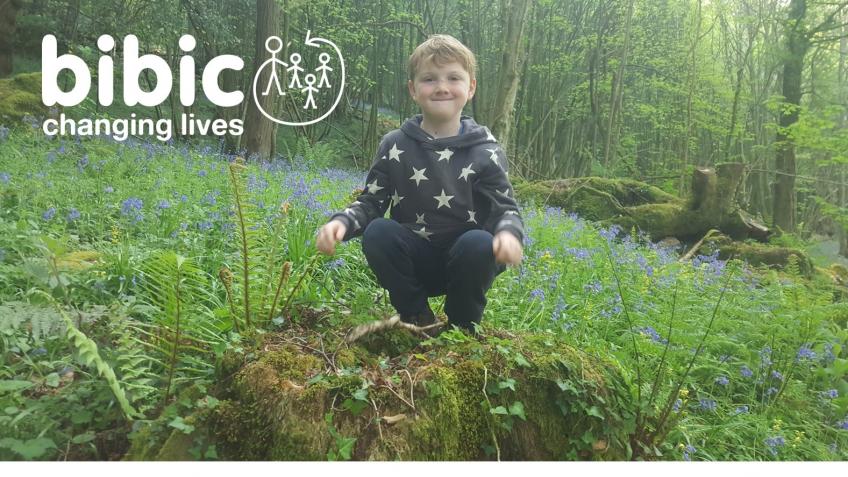
Covid-19: Families in crisis are left with no support, we must continue to reach vulnerable children with a new digital therapy service.
bibic support children and young people aged 0-25 years with developmental difficulties, genetic conditions, learning disabilities and special educational needs; including brain injury, global development delay, Cerebral Palsy, Down’s Syndrome, ADHD, neurological disorders and dyslexia. We pioneered neuroplasticity-based therapy, harnessing the brain’s natural ability to create new, strong pathways to form new habits and behaviours.
Our therapy has transformed the lives of over 15,000 children and young people in our fifty year history. We create an individualised therapy plan to support each child's specific needs, using a blend of sensory, cognitive, developmental and physical exercises. bibic are unique in providing such holistic therapy and in empowering parents to become the therapists at home. We are experts in our field; our approach provides sector leading results.
bibic have had to stop all services during the pandemic, bar our telephone advice line. This includes all outreach assessments in the family home; screeners, consultations and assessments at our National Centre; as well as training seminars for families and professionals. Families in crisis are left with little or no support, nor hope, for an unknown length of time. Simultaneously these vulnerable children and young people, and their families, are profoundly impacted. They need us now more than ever. With virtually no support now left at all for families in the South West through other organisations, we have responded quickly and adapted our services for a digital platform. We have also adding a range of additional services which address the specific problems they are experiencing as a result of the pandemic.
The majority of bibic children and young people are not neuro-typical; their brain functions in a different way, making it difficult to understand the world around them. To them, the world still looks the same so they cannot understand why they are not allowed to do the things they used to do. Parents tell us their child’s negative and challenging behaviours have quickly worsened (e.g. self-harm, aggression, severe meltdowns, obsessive compulsions):
Parents describe their own intense fear and stress and we are concerned about how this will worsen in the weeks ahead. Many already doubt their ability to manage their child’s behaviour and meet their needs, this feeling has now escalated. Their mental health is suffering as they reach the “end of their tether” more quickly and are unable to use their usual support networks. They already felt socially isolated because of their child’s condition and now they feel on the brink of not coping at all.
We recently heard from a mum who is in desperate need of help. Her daughter has ADHD and had threatened to take her own life; she is desperately depressed and unable to cope at school. Her dad is absent due to stress in the family unit. Mum told us she felt she was neglecting her other child because nearly all her energy and time was needed to support her daughter.
“Parents and children like us are struggling even more than usual and feel increasingly hopeless and lonely. Changes in routine for children and even more isolation than normal can have serious consequences, including meltdowns, depression, unbearable anxiety, harm to themselves and others and suicidal thoughts.”
We must make sure we continue to reach current bibic families right now, as well as ensure that there are no delays to those families who are on our waiting list and desperate for a lifeline. In these dark times children and families need to know that they can still rely on bibic when they need it most.
We simply will not let this pandemic mean that we cannot reach out to provide vital support to families, nor that the financial impact means we need to close our doors after nearly fifty years. Every child deserves the best possible chance to reach their full potential, with your continued help we can help make sure that children are given that chance during this crisis.
To respond, we moved quickly to adapt our holistic therapeutic services onto video call. We have adapted our two day full assessment, one day developmental assessment, one hour consultations and screeners (for Sensory Processing Disorder, Autism, ADHD, Dyspraxia, working memory & processing). The exception is the Dyslexia screener for which it is essential for the child to be present.
We have added a range of additional support which targets the specific problems they are experiencing as a result of the pandemic. These include three hour assessments (for wellbeing, behaviour, sensory processing and under 5s developmental) as well as new topics for one hour consultations on managing sensory needs, managing anxiety and coping with change during the pandemic. We are also in the process of developing a new format for our training seminars to take them online.
The simple answer is yes and we would love to do much, much more.
The final words come from George's mum
“Even after the first week of lockdown we noticed his behaviour had worsened; more meltdowns and aggression towards his siblings. George needs to be constantly stimulated but in lockdown we have been unable to offer the variety of stimulation he was used to.
The digital assessment was desperately needed. Even though it was remote, we did not feel any less engaged. At the end of day two, our therapist Chelsey was able to pinpoint George’s issues and give us solutions. She sent us an email with 30 strategies and exercises and a range of videos showing how to carry these out. They include tasks we can easily do at home with the materials we have to hand.
Being parents, in a lock down situation, having to adjust to remote working as well as managing and keeping three children under three years old entertained, with one with behavioural challenges, has been stressful.
It has added greater pressure to family life. Knowing we have a way forward with George, plus Chelsey at the end of the phone, is a huge relief. We found bibic just at the right time.”
Aviva Community Fund provided £175 of match funding
This project successfully funded on 22nd July 2020